

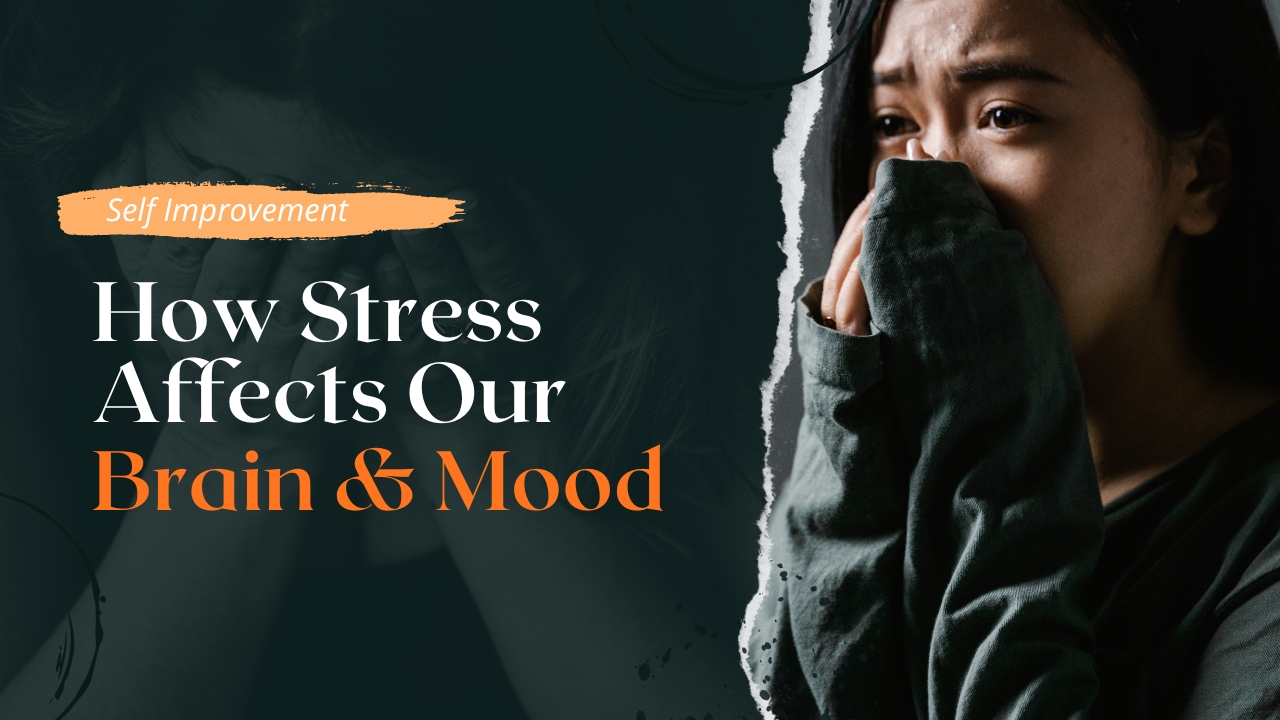
News Bite: How Stress Affects Our Brain & Mood
- Scientists found that when someone has long-term stress, special immune cells called neutrophils (they usually fight germs) leave the bones in the skull and go into the brain’s protective covering.
- These immune cells hanging out in the brain seem to cause symptoms of depression (sadness, lack of energy, feeling down).
- In experiments with mice, turning off a particular “alarm” signal (called type I interferon) reduced those neutrophils in the brain and made the mice act less depressed.
Why This Matters
- Many people don’t respond well to regular antidepressants — about 1 in 3.
- This new research suggests that for some, inflammation (immune response) is playing a big role. If we can target that, we might help people who haven’t gotten better with usual treatments.
The NuroSpark Way Forward
- We’ll keep updating our courses and workshops to include info about how the immune system and inflammation relate to mental health — so our students know all sides of depression.
- We aim to offer training in early signs of immune-related stress, stress management tools that reduce inflammation (like better sleep, movement, calming practices).
- And, we’re exploring partnerships (with researchers and clinics) so we can bring newer therapies — those that go beyond just “chemical fixes” — to people who need more help.


.jpg)

.jpeg)




.jpeg)

.jpeg)






.jpg)
.jpg)
.jpg)
.jpg)

.jpg)
.jpg)
.jpg)
.jpg)
.jpg)
.jpg)